
2580 S Decatur Blvd, Ste 6
Las Vegas, NV


Why Your Child Might Need a Pediatric Eye Exam
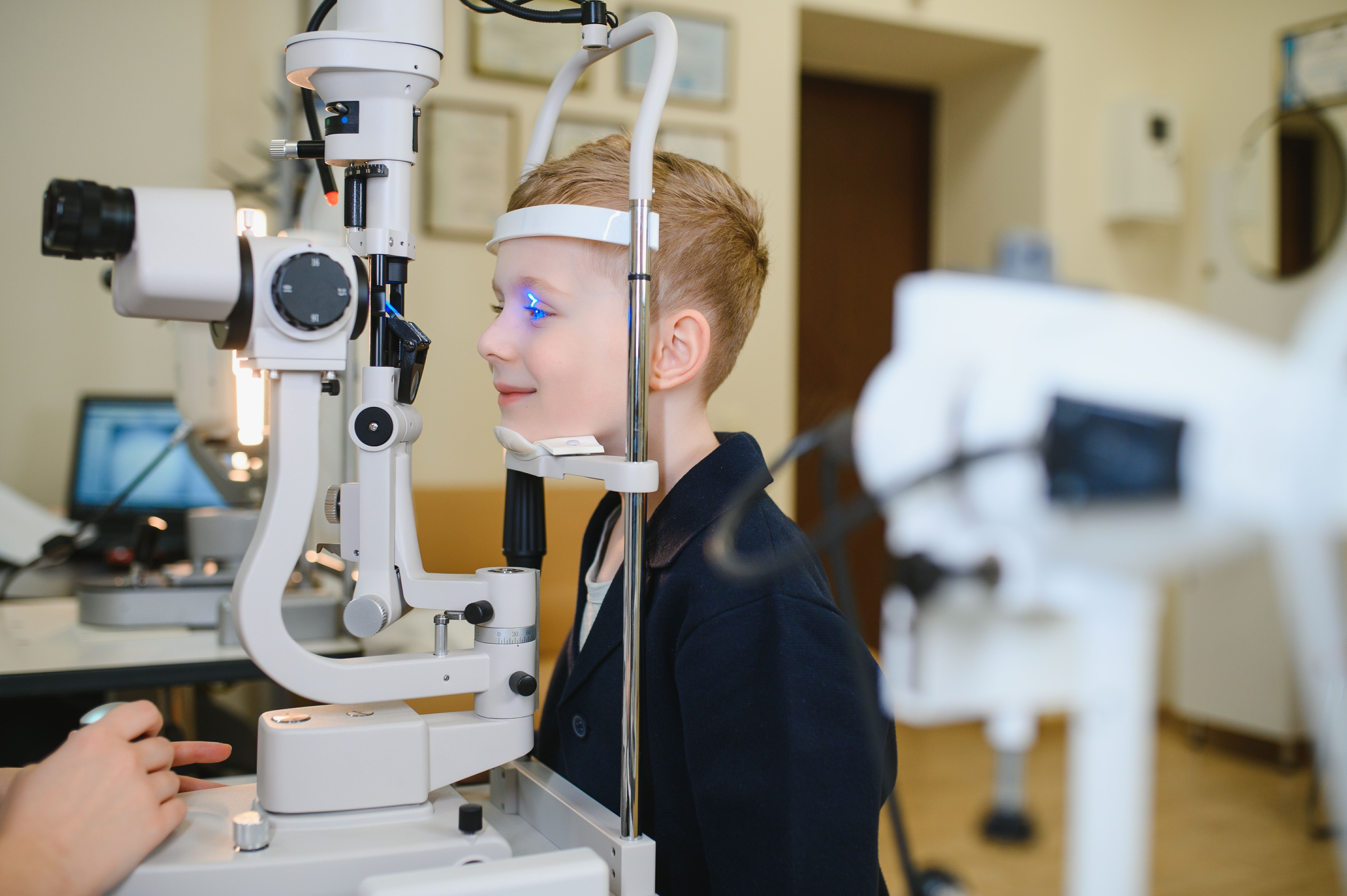
As a parent, you notice the little things - when your child squints at the TV, holds books unusually close, or rubs their eyes after homework. Maybe their teacher mentioned they seem distracted in class. It’s easy to assume they’re just tired or adjusting to a new routine. But sometimes, those small signs point to something bigger: a vision issue they may not even realize they have.
Vision Problems Are More Common Than You Think
Many parents assume that if their child isn’t complaining about their eyesight, everything must be fine. However, children often don’t realize their vision is blurry or strained because they think everyone sees the same way they do. Vision problems such as nearsightedness (myopia), farsightedness (hyperopia), astigmatism, and eye coordination issues are common in children. Without a comprehensive eye exam, these issues can go unnoticed and untreated.
Vision Directly Impacts Learning
Did you know that up to 80% of classroom learning is visual? Reading, writing, using computers, and seeing the board all require clear, comfortable vision.
If your child is struggling academically, it may not be a learning disability - it could be an undiagnosed vision problem. Signs that vision may be affecting school performance include:
- Frequent headaches
- Squinting or covering one eye
- Holding books very close
- Avoiding reading or homework
- Short attention span for near tasks
A pediatric eye exam can determine whether vision is contributing to academic challenges and provide solutions that support your child’s success.
Early Detection Prevents Long-Term Issues
Some eye conditions, such as amblyopia (lazy eye) or strabismus (eye misalignment), are most effectively treated when caught early. If left untreated, these conditions can lead to permanent vision impairment.
Regular pediatric eye exams allow an optometrist to detect issues before they become more serious. Early treatment can significantly improve outcomes and, in many cases, completely correct the problem.
Screen Time Is Increasing
Today’s children spend more time on digital devices than ever before. Tablets, smartphones, computers, and gaming systems can all contribute to digital eye strain.
Symptoms of screen-related vision issues include:
- Eye fatigue
- Blurred vision
- Dry or irritated eyes
- Difficulty focusing
A pediatric eye exam can assess how screen time may be impacting your child’s vision and provide recommendations to reduce strain and protect long-term eye health.
Vision Changes as Children Grow
Children’s eyes develop rapidly. Even if your child passed a vision screening at school or during a pediatrician visit, that does not replace a comprehensive eye exam. School screenings are helpful, but they typically only detect basic distance vision issues. A full pediatric eye exam evaluates:
- Visual acuity (clarity)
- Eye teaming and tracking
- Depth perception
- Focusing ability
- Overall eye health
Because vision can change year to year, regular exams ensure your child’s prescription stays accurate and their eyes remain healthy.
Schedule Your Child’s Eye Exam Today
Your child’s vision plays a crucial role in their development, confidence, and academic success. Because many eye problems show few obvious symptoms, routine pediatric eye exams are one of the most important preventive steps you can take as a parent. At Optic Gallery Sahara, our doctors provide thorough, child-friendly eye exams designed to detect issues early and support healthy vision at every stage of growth.
Contact Optic Gallery Sahara to schedule a pediatric eye exam and ensure your child’s eyes are set up for long-term success. Visit our office in Las Vegas, Nevada, or call (702) 876-2020 to book an appointment today.

All Eye
Care Services

Keep
In Touch
Optic Gallery Sahara
- Monday 8:00am - 5:00pm
- Tuesday 8:00am - 5:00pm
- Wednesday 8:00am - 5:00pm
- Thursday 8:00am - 5:00pm
- Friday 8:00am - 5:00pm
- Saturday 8:00am - 2:00pm
- Sunday Closed

© 2023 Optic Gallery Sahara - All Rights Reserved - Privacy Policy - Accessibility Statement - Sitemap
Powered by:
